
📖 Easy Read

Welcome to Pandora’s Box

  • We help people with Autism learn about their body, safety, and relationships.
  • We use pictures, signs, and simple words. You do not need to talk.
  • We also help families, carers, and support workers.
  • You can phone, email, or fill in our form to start. There is no rush.
Pandora’s Box Sexual Health Rehabilitation crest

Pandora’s Box Sexual Health Rehabilitation

Sexual health is a human right, not a privilege.

Compassionate, person-centred care for non-verbal persons with Autism, plus structured support for the families, caregivers, and professionals around them.

No question is too small. We’ll meet you where you are.

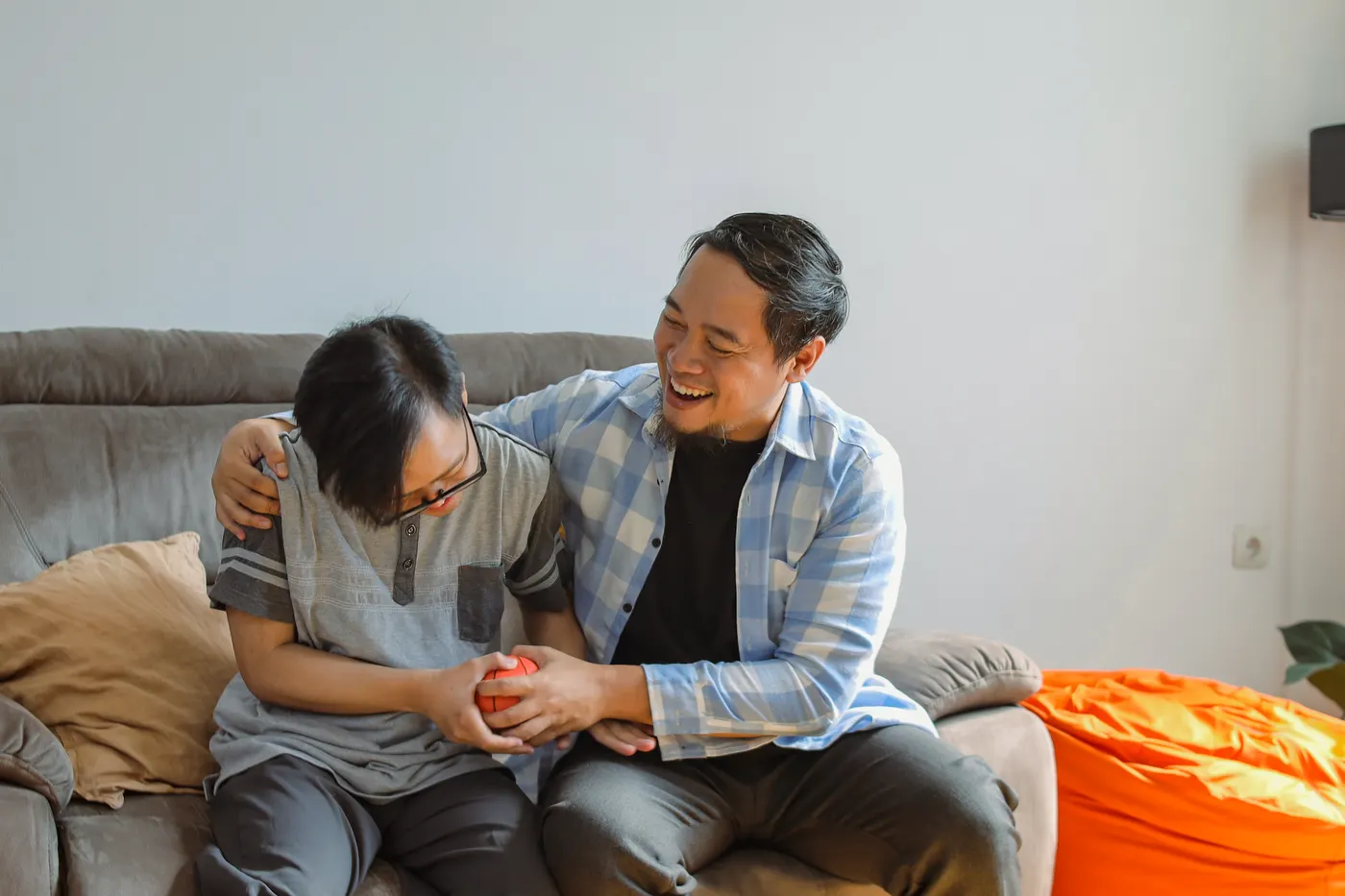
A father and his adult son sitting together on a sofa at home, sharing a warm, relaxed moment.

A gap that was not their fault

  • Sexual health matters for everyone.
  • People with Autism who do not speak often miss out on help.
  • This is not their fault. The old systems did not fit them.
  • We are here to close that gap, with care and respect.

Why this work matters

A gap that was never the person’s fault.

Sexual health is a fundamental part of human wellbeing. Yet for non-verbal persons with Autism, there are significant gaps in support, education, and assessment.

Many individuals are misunderstood, not because their needs are absent, but because current systems are not designed to support diverse communication styles. This can lead to unmet needs, distress, and a lack of safe, structured guidance.

Pandora’s Box exists to close that gap with structured, accessible, dignity-first care, and to support the people and organizations around each client, so the change lasts.

Read our story

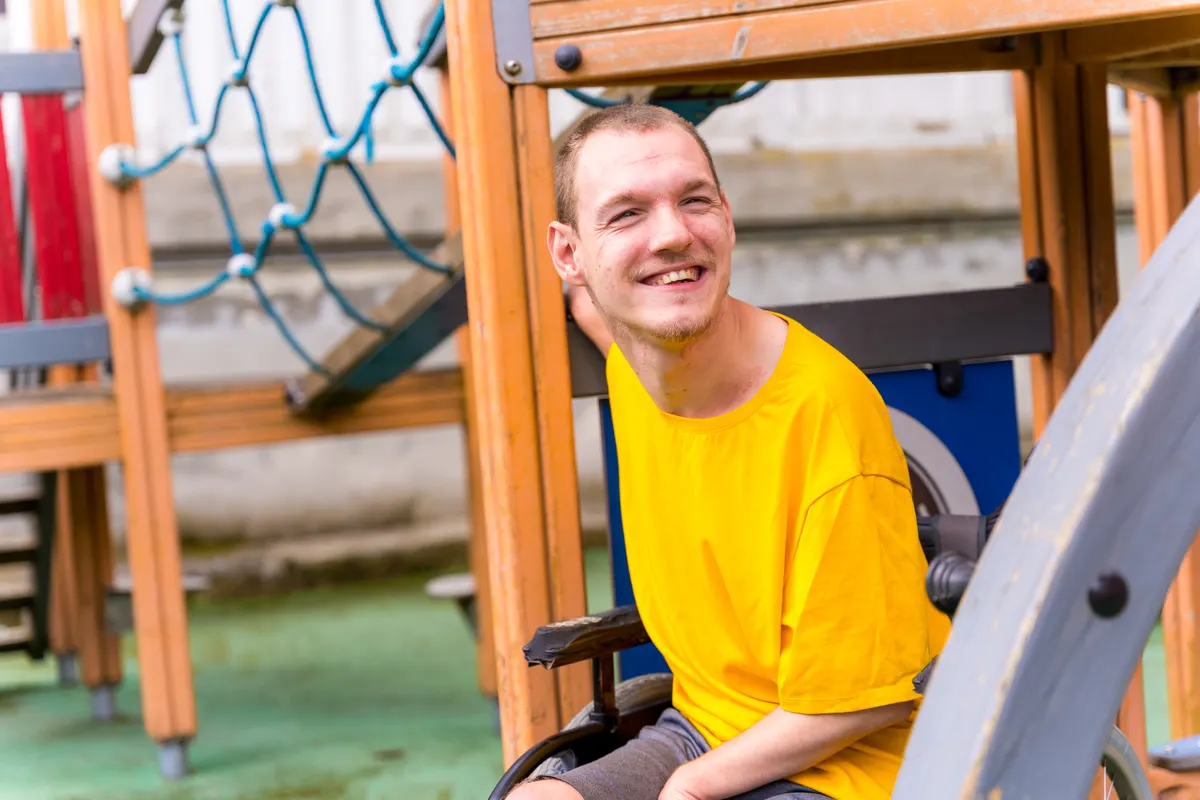
A young man using a wheelchair smiling warmly at an outdoor play space.

How we work

  • We follow your pace. We listen to what you want.
  • We use picture cards, choice boards, and simple stories.
  • We always ask first. You can say no or stop at any time.

A different approach

Person-centred. Trauma-informed. Accessible by design.

Our work is built on an approach that respects autonomy, dignity, and communication differences.

Using structured, accessible methods, including visual supports and communication tools, clients are supported in understanding their needs, preferences, and boundaries in a safe, respectful way.

This approach is grounded in evidence-based models that prioritize holistic wellbeing, accessible communication, and individualized care.

  • Visual supports: picture cards, choice boards, and social stories.
  • AAC inputs: augmentative & alternative communication, gestures, and visual scales.
  • Individualized plans: built around each person’s context, pace, and consent.
A diverse group of smiling women in a sunlit park, including a young woman using a wheelchair, making heart shapes with their hands.

Three ways we help

  • We work with you one-to-one, at home or online.
  • We teach the people who care for you, like family and support workers.
  • We are making easy resources you can use any time. (Coming soon)

Areas of practice

Three ways we support change.

Every service is delivered through a person-centred, trauma-informed lens, the philosophy that wraps all of our work.

Pillar I

Clinical 1:1, in-home & virtual

Sexual health rehabilitation assessments, individualized sexuality plans, and skill-building delivered where life actually happens.

  • Consent, privacy, boundaries & dating
  • Family counselling & disclosure support
  • Autism & non-verbal support

Pillar II

Capacity-building & training

Training the people around each client, so understanding and skills extend into everyday support.

  • Training & conferences
  • Education for healthcare & caregivers
  • Agency & school-district workshops

Pillar III

Digital & always-on

Plain-language resources and accessible learning, available whenever they’re needed. Coming soon

  • Easy-read & scenario-card library
  • AAC-friendly educational content
  • Training video subscription

Explore all services

The BECK Assessment

  • The BECK Assessment helps us get to know you.
  • It uses pictures and simple steps, not a long form to read.
  • It helps you understand and make safe choices.

The signature offering

The BECK Assessment

A structured sexual health assessment tool designed specifically for non-verbal persons with Autism. It supports communication, understanding, and safe decision-making through accessible, adaptable methods.

Behaviour / Background

Understanding the person and their context.

Evaluation / Education

Assessing knowledge and teaching with care.

Communication / Clinical input

Accessible communication and clinical collaboration.

Kinesiology & communication supports

Body, movement, and AAC communication supports.

See how the BECK Assessment works

Who we help

  • Families and carers.
  • People with Autism who do not use speech.
  • Healthcare workers.
  • Support staff and organisations.

Meet Wendy

  • Wendy Beck-Orlando started Pandora’s Box.
  • She helps the people who are often left out.
  • She brings together care, communication, and training.
Portrait of Wendy Beck-Orlando, founder of Pandora's Box Sexual Health Rehabilitation, smiling in a library.

Meet the founder

Wendy Beck-Orlando

Consultant, Founder & CEO · GBTR, RT, SRT (mc)

Pandora’s Box was founded to serve the people most often left out of the conversation: in their homes, on their terms, in language they own.

The practice brings together person-centred assessment, accessible communication, and training for the wider support network, so that dignity and autonomy are protected at every step.

More about Wendy & the practice

Sexual health is a human right

  • Sexual health is a human right. It is not a privilege.
  • We support your dignity and your choices at every step.

“Sexual health is a human right, not a privilege.

Supporting dignity, autonomy, and understanding, every step of the way.

Get in touch

  • We would love to hear from you. There is no rush.
  • You can phone, email, or fill in our form.

Get in touch

Let’s find the right first step, together.

Reach out by phone, email, or our confidential intake form. We’ll listen first, with no pressure and no judgement.